
Survival
"I remember" was the prompt for our writing group. And here's a memory I can't forget.

I remember being deep into my reading as our convoy rattled toward Tillaberi, Niger, a village to the north of Niamey and deep into a land of red dirt and dust. There, people lived their lives with next-to nothing, except for multiple forms of danger—poverty, terrorists, starvation.
In my lap was a book about two UN envoys kidnapped in-country just a few years before. They’d been ambushed, bound, and dragged into the desert. And as I looked up from the pages, I realized those men had been on the very same so-called road, on their way to, yes, Tillaberi. Panicked by this insight, I skipped straight to the book’s end, checking for tips on how they survived.
My colleague, a whip-smart USAID officer from Kentucky with veterinary chops, had no time for reading. She was on the radio, helping the driver navigate. Her mission was clear: get to the village and inspect the goats our government had provided the village. I was the Public Affairs Officer, there to record the story—preferably one that didn’t end with us bound and dragged into the desert
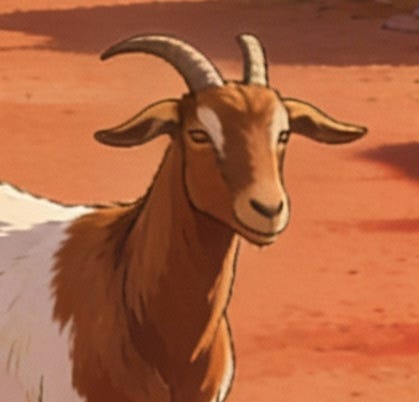
Finally, Tillaberi appeared in the haze. We waited ten minutes for the dust to settle enough to distinguish both goats and people in the distance. When they emerged, shapes became bodies, and the clanging bells of domesticated goats broke the Sahel silence. My colleague jumped out of the vehicle immediately, spotting a kid with a leg that needed mending.
A girl named Aissa approached us, maybe ten years old, and through our Zarma interpreter, said: “This goat means my family is doing much better now. And I can go to school.” She adjusted her faded headscarf and pulled at the brown-spotted goat on a frayed rope. It shook its head, clanging its bell as if to say, “Yep, she’s right. I made a difference.”
My colleague checked on another member of the herd. It bleated and skipped away, joining its little family.
The sun dropped. We’d stayed too long. On the journey back, our driver sipped bottled water and took control of the radio as my colleague fell asleep beside me. I pulled out the kidnapping book again, still looking for tips on safe passage. Five hours later we rolled into Niamey, the city lights confirming we’d make it to our beds.
Safe in our compound, I realized I’d been worried about surviving five hours on a dangerous road. Aissa was navigating whether she’d survive childhood with enough to eat and a chance at education. My colleague was examining legs and hooves. I stood there with a camera, my official duty to document American generosity in action.
I have no idea what happened to Aissa, or her goat, or whether she’s still in school. I survived that day by reading about danger and then leaving. She survived—if she survived—by having faith in the goodwill of the United States. Five years later, USAID, the program that connected us, didn’t survive at all.